
I’ve spent more than a decade managing and advising on Coromandel Accomodation, working with everything from modest family bach-style homes to boutique lodges tucked into the hills. Over that time, I’ve seen travelers arrive delighted, disappointed, and occasionally frustrated—not because the Coromandel failed them, but because they misunderstood how accommodation really works here.
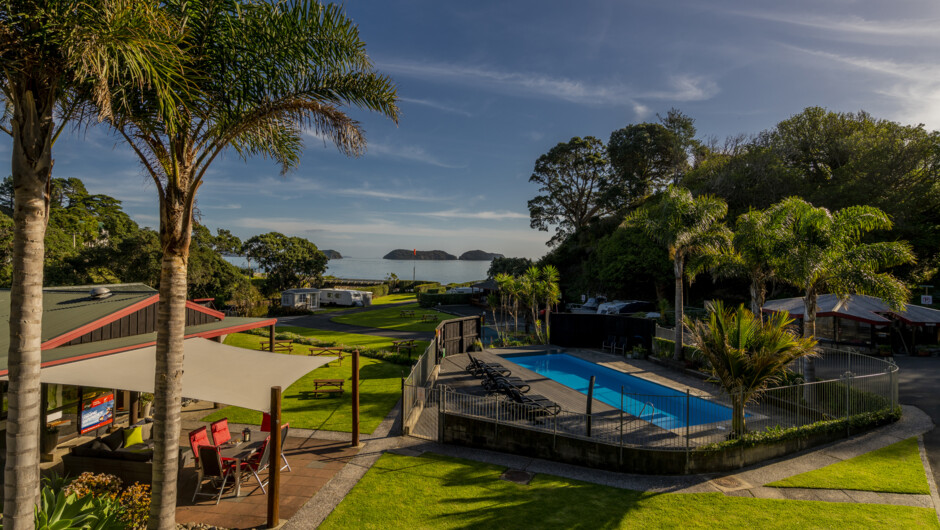
When I first started, I assumed most guests were choosing places based on photos alone. I quickly learned that the biggest factor in satisfaction wasn’t luxury, but alignment. The Coromandel rewards people who match the right stay to the right expectations.
One couple I still think about booked a cliffside holiday home during late autumn. The house was stunning—wide decks, native bush all around—but they arrived expecting restaurant access and nightlife within walking distance. After the first night, they realized the nearest café was a twenty-minute drive, and the road back was unlit and winding. They didn’t hate the house, but it wasn’t what they needed. In contrast, a retired pair stayed in that same home a month later and extended their booking twice, telling me the quiet mornings and complete darkness at night were exactly why they came.
That contrast shows up constantly in Coromandel accommodation.
One thing only locals and long-term managers tend to mention is how dramatically location affects daily logistics. Staying “near the beach” can mean a two-minute flat walk or a steep track that feels manageable at noon and far less so after sunset. I’ve had guests call me in the evening surprised that their ocean-view studio required climbing a gravel driveway they barely noticed during check-in. Views here are earned, and that’s not a bad thing—but it should be a conscious choice.
Another recurring mistake I’ve seen involves weather assumptions. The Coromandel has a reputation for sunshine, and deservedly so, but many homes are built for airflow, not insulation. I once stayed myself in a beautifully designed summer rental during a damp winter week while inspecting properties. By the second night, I was layering jumpers indoors because the house relied on sea breezes rather than heating. Since then, I always tell off-season guests to check heating details carefully, especially in older coastal homes.
On the positive side, the range of accommodation styles here is one of the region’s strengths. Families often do best in self-contained holiday homes with outdoor space, where sandy feet and wet towels aren’t a problem. Couples seeking a slower pace tend to enjoy smaller lodges or cabins set back from town, where mornings are quiet and evenings feel unhurried. I generally advise against large resorts for people who genuinely want the Coromandel experience—they exist, but they don’t reflect how the peninsula actually lives.
I’ve also watched expectations shift over the years. More guests now ask about water pressure, septic systems, and mobile reception. Those are smart questions. Some areas still rely on rainwater tanks, and I’ve seen unnecessary panic when a guest runs three long showers back-to-back without realizing they’re drawing from a finite supply. In my experience, the most satisfied visitors are the ones who accept a bit of rural reality in exchange for space, privacy, and natural surroundings.
If I had to summarize what I’ve learned managing Coromandel accommodation, it’s this: the best stay here isn’t about finding the “best” place. It’s about choosing a place that fits how you actually want to spend your days. Get that part right, and the peninsula tends to take care of the rest, quietly and without fuss.